MBBS IN INDIA

India has become one of the most preferred destinations for medical education due to its high-quality academic system, advanced medical infrastructure, affordable fee structure, and globally recognized medical colleges. Every year, thousands of students choose to pursue MBBS in India because Indian medical universities provide excellent theoretical knowledge along with extensive clinical exposure and practical training. With the increasing demand for qualified doctors in the healthcare sector, studying MBBS in India offers students a strong foundation for building a successful medical career.
The country is home to some of the top government and private medical colleges that are approved by the National Medical Commission (NMC) and recognized internationally. Students pursuing MBBS admission in India gain access to experienced faculty members, modern laboratories, advanced hospitals, research facilities, and real-time patient interaction during their medical training. The MBBS course in India not only focuses on academic excellence but also helps students develop clinical skills, communication abilities, and professional ethics required in the healthcare industry.
One of the biggest advantages of studying MBBS in India for Indian students is the availability of quality education at comparatively affordable tuition fees, especially in government medical colleges. Students can choose from various medical colleges across different states based on their NEET score, budget, preferred location, and specialization interests. Many universities also provide hostel facilities, scholarship opportunities, internship programs, and placement support for students pursuing medical education.
Admission to MBBS programmes in India is mainly based on the NEET (National Eligibility cum Entrance Test) examination, which is mandatory for medical admissions across the country. After qualifying for NEET, students can participate in counseling processes for government, private, deemed, and central universities. The duration of the MBBS course in India is generally 5.5 years, including one year of compulsory internship training in hospitals and healthcare institutions.
Choosing the right medical college is an important step for students planning to study medicine. Factors such as college ranking, infrastructure, faculty, hospital facilities, placement opportunities, internship exposure, and fee structure should be considered before taking admission. Through proper guidance and career counseling, students can find the best options for medical admission in India according to their academic performance and career goals.
MBBS in India – Overview
| Feature | Details |
|---|---|
|
Course Name |
MBBS (Bachelor of Medicine and Bachelor of Surgery) |
|
Course Duration |
5.5 Years (Including 1 Year Internship) |
|
Eligibility Criteria |
10+2 with Physics, Chemistry, Biology, and English |
|
Minimum Marks Required |
Generally 50% for General Category and 40% for Reserved Categories |
|
Entrance Exam |
NEET-UG |
|
Approval Authority |
National Medical Commission (NMC) |
|
Course Level |
Undergraduate Degree |
|
Admission Process |
NEET Qualification followed by Counseling Process |
|
Top Study Destination |
Government and Private Medical Colleges Across India |
MBBS Course Details
Bachelor of Medicine is the full name for MBBS in medicine. A 5.5-year undergraduate medical degree program called the Bachelor of Surgery teaches students how to diagnose conditions, identify treatments and medications, and execute procedures.
The only path to enrollment in MBBS programs at various Indian medical colleges is passing the NEET UG exam. Candidates interested in learning more about the specifics of the MBBS in India course can review some of the main points in the table below:
| Particulars | MBBS Course Details |
|---|---|
|
MBBS Course Name |
MBBS |
|
MBBS Full Form in Medical |
Bachelor of Medicine Bachelor of Surgery |
|
MBBS Course Level |
Undergraduate |
|
MBBS Course Type |
Full-Time |
|
MBBS Course Duration |
5 years + 6 months internship |
|
MBBS Course Admission Process |
Entrance-Based |
|
MBBS Course Eligibility Criteria |
Class 12 in the Science stream with Physics, Chemistry, Biology/Biotechnology (which shall include practical tests in these subjects), and Mathematics subjects and be over 17 years of age. |
|
Entrance Test for MBBS |
NEET |
|
Top MBBS Specialisations |
Medicine, General Surgery, Cardiology, Paediatrics, Oncology, Nephrology, etc. |
Eligibility and Admission Process for MBBS in India
Getting admission into an MBBS programme in India requires students to fulfill specific academic qualifications and qualify for the NEET examination. The admission process is conducted through centralized counseling procedures for government, private, deemed, and central universities across the country. Students planning to pursue MBBS in India should understand the eligibility requirements, entrance exam criteria, and counseling process before applying for medical admission.
Eligibility Criteria for MBBS in India
Students must meet the following eligibility requirements to apply for MBBS admission in India:
| Eligibility Criteria | Details |
|---|---|
|
Educational Qualification |
Candidates must have completed 10+2 or equivalent examination from a recognized board. |
|
Mandatory Subjects |
Physics, Chemistry, Biology/Biotechnology, and English are compulsory subjects. |
|
Minimum Marks Required |
General Category – 50% aggregate in PCB subjects; OBC/SC/ST Category – 40%; PwD Category – 45%. |
|
Entrance Examination |
NEET-UG qualification is mandatory for MBBS admission in India. |
|
Age Limit |
Candidates must be at least 17 years old on or before 31st December of the admission year. |
|
Nationality |
Indian citizens, NRIs, OCI candidates, and foreign nationals can apply as per eligibility guidelines. |
|
Medical Fitness |
Students should be medically fit according to the prescribed medical standards. |
Admission Process for MBBS in India
The admission process for medical admission in India is mainly based on NEET scores and centralized counseling conducted by different authorities. Students should carefully follow each step to secure admission into their preferred medical college.
Step 1: Qualify NEET-UG Examination
The first and most important step is qualifying the NEET-UG examination conducted by the National Testing Agency (NTA). NEET is mandatory for admission to all government, private, deemed, and central medical universities in India.
Step 2: Participate in Counseling Process
After qualifying NEET, students must register for counseling through the respective counseling authorities:
- MCC Counseling – For All India Quota, Deemed Universities, AIIMS, JIPMER, and Central Universities.
- State Counseling – Conducted by individual state authorities for state quota seats in government and private medical colleges.
Step 3: Choice Filling and College Selection
Students need to select their preferred medical colleges and courses during the counseling process. College allotment is based on:
- NEET rank
- Seat availability
- Reservation criteria
- Choice preferences
- Counseling category
Step 4: Seat Allotment
Based on NEET scores and counseling preferences, seats are allotted to eligible candidates. Students can accept the allotted seat or participate in further counseling rounds if they want better options.
Step 5: Document Verification
Candidates must submit and verify required documents at the allotted college or counseling center. Common documents include:
- NEET Scorecard
- NEET Admit Card
- 10th and 12th Marksheet
- Transfer Certificate
- Migration Certificate
- Identity Proof
- Passport-size Photographs
- Category Certificate (if applicable)
Step 6: Admission Confirmation
After successful document verification and fee payment, students receive final admission confirmation into the medical college.
Required Documents for MBBS in India
Students applying for MBBS admission in India must submit several important documents during the counseling, verification, and admission process. These documents are required to confirm the candidate’s academic qualifications, identity, eligibility, and NEET performance. Students should keep both original documents and multiple photocopies ready to avoid delays during the admission procedure.
Proper documentation is an essential part of the medical admission in India process, especially during NEET counseling and final college reporting. Missing or incorrect documents may lead to cancellation of admission or counseling disqualification.
| Document Name | Purpose |
|---|---|
|
NEET Admit Card |
Required as proof of appearing in the NEET-UG examination. |
|
NEET Scorecard/Rank Card |
Used to verify NEET qualification, score, and All India Rank. |
|
10th Marksheet and Certificate |
Required for date of birth verification and academic records. |
|
12th Marksheet and Passing Certificate |
Confirms eligibility qualification with PCB subjects. |
|
Transfer Certificate (TC) |
Issued by the previous school or institution during admission transfer. |
|
Migration Certificate |
Required for students from boards/universities outside the state or institution. |
|
Character Certificate |
Verifies the student’s conduct and behavior from the previous institution. |
|
Aadhar Card or Valid ID Proof |
Used for identity verification during counseling and admission. |
|
Domicile Certificate |
Needed for state quota admissions in certain states. |
Top Private MBBS Colleges in India

Curriculum and Internship for MBBS in India
The MBBS curriculum in India is designed to provide students with comprehensive medical education that combines theoretical knowledge, practical training, clinical exposure, and professional development. The course structure follows the guidelines prescribed by the National Medical Commission (NMC) and focuses on preparing students to become skilled and responsible healthcare professionals.
The duration of the MBBS in India programme is 5.5 years, which includes 4.5 years of academic study and 1 year of compulsory rotatory internship. During the course, students learn about human anatomy, diseases, diagnosis, treatment methods, patient care, surgery, and clinical practices through classroom teaching, laboratory work, hospital training, and practical sessions.
MBBS Curriculum in India
The MBBS curriculum is divided into different phases to help students gradually develop medical knowledge and clinical skills.
| Phase | Subjects Covered |
|---|---|
|
First Phase (Pre-Clinical) |
Anatomy, Physiology, Biochemistry |
|
Second Phase (Para-Clinical) |
Pathology, Pharmacology, Microbiology, Forensic Medicine, Community Medicine |
|
Third Phase (Clinical) |
General Medicine, General Surgery, Pediatrics, Orthopedics, ENT, Ophthalmology, Obstetrics & Gynecology, Psychiatry, Dermatology |
|
Clinical Training |
Practical hospital training, patient interaction, ward visits, case studies, diagnosis, and medical procedures |
Clinical Exposure and Practical Training
One of the major advantages of pursuing MBBS in India is the extensive clinical exposure provided by medical colleges and teaching hospitals. Students interact with patients from the early stages of the programme, helping them understand real medical conditions, diagnosis methods, treatment procedures, and healthcare management.
Medical colleges in India are usually attached to multispecialty hospitals where students receive hands-on clinical training under experienced doctors and healthcare professionals. This practical learning approach helps students improve communication skills, medical ethics, patient management, and decision-making abilities.
Internship in MBBS
The compulsory rotatory internship is an important part of the MBBS programme in India. The internship duration is generally 12 months and is conducted after completion of the academic curriculum.
During the internship, students work in different hospital departments to gain practical exposure in multiple medical specialties.
Major Internship Departments
- General Medicine
- General Surgery
- Pediatrics
- Orthopedics
- Obstetrics & Gynecology
- Community Medicine
- Psychiatry
- Emergency Medicine
- Dermatology
- ENT
- Ophthalmology
Interns perform duties such as patient examination, case documentation, assisting senior doctors, conducting medical procedures, emergency care support, and healthcare management activities under supervision.
Benefits of MBBS Internship
The internship programme helps students:
- Gain real-time clinical experience
- Develop practical medical skills
- Improve patient communication abilities
- Understand hospital management systems
- Build confidence in diagnosis and treatment procedures
- Prepare for postgraduate medical education and professional practice
Successful completion of the internship is mandatory for obtaining the MBBS degree and medical registration.
Career Opportunities After MBBS in India
After completing MBBS and internship training, students can pursue:
- Medical Practice
- Government Healthcare Jobs
- Hospital Employment
- MD/MS Postgraduate Courses
- Medical Research
- Healthcare Administration
- Clinical Specialization
- Public Health Services
With quality education, clinical exposure, and practical training, the MBBS curriculum in India prepares students for successful careers in the healthcare and medical sector.
Career Opportunities After MBBS in India
Completing MBBS in India opens the door to a wide range of career opportunities in the healthcare and medical sector. After earning an MBBS degree and completing the compulsory internship, graduates can choose to work in hospitals, clinics, research organizations, healthcare institutions, government departments, or continue higher medical studies. With the growing demand for qualified doctors and healthcare professionals, MBBS graduates have excellent career prospects both in India and abroad.
The medical profession not only offers financial stability and career growth but also provides opportunities to serve society and contribute to public healthcare. Students can choose clinical practice, specialization, research, teaching, healthcare management, or public health services depending on their interests and career goals.
Clinical Practice and Hospital Jobs
Many MBBS graduates begin their careers by working as junior doctors, medical officers, or resident doctors in hospitals and healthcare institutions. They gain practical experience in patient care, diagnosis, treatment procedures, and emergency medical services.
Common Job Roles in Hospitals
- Junior Doctor
- Medical Officer
- Resident Doctor
- Emergency Medical Officer
- General Physician
- Clinical Associate
Graduates can work in:
- Government Hospitals
- Private Hospitals
- Multispecialty Hospitals
- Community Healthcare Centers
- Nursing Homes
- Diagnostic Centers
Higher Education After MBBS
A large number of students pursue postgraduate medical education after MBBS to specialize in specific medical fields. Students can appear for NEET-PG and pursue MD, MS, DNB, or diploma courses.
Popular Specializations After MBBS
- General Medicine
- General Surgery
- Pediatrics
- Orthopedics
- Dermatology
- Radiology
- Cardiology
- Neurology
- Gynecology
- Psychiatry
Specialization increases career opportunities, salary potential, and expertise in advanced medical fields.
Government Sector Opportunities
MBBS graduates can apply for various government healthcare jobs through competitive examinations and recruitment processes.
Government Career Options
- Medical Officer in Government Hospitals
- Railway Doctor
- Army Medical Corps
- ESIC Medical Officer
- Public Health Officer
- State Health Department Jobs
Government jobs often provide job security, stable income, allowances, and additional benefits.
Top Private MBBS Colleges in India
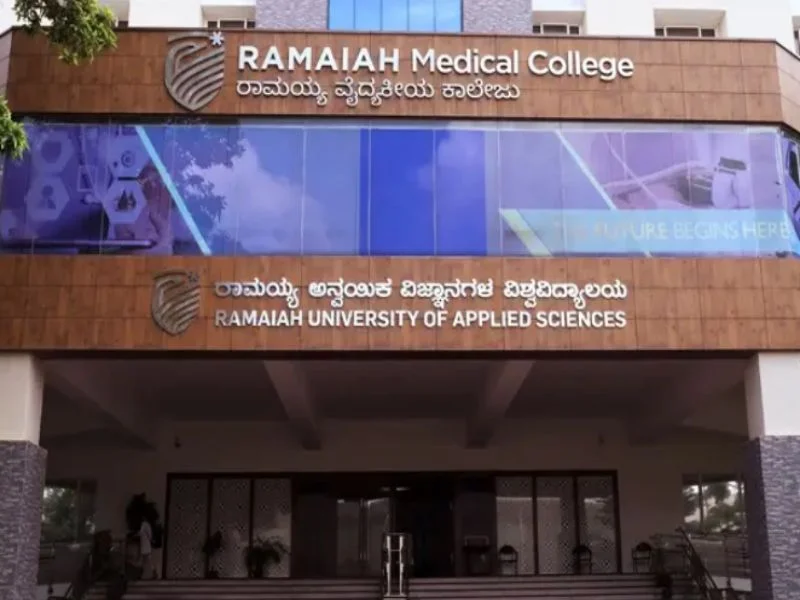
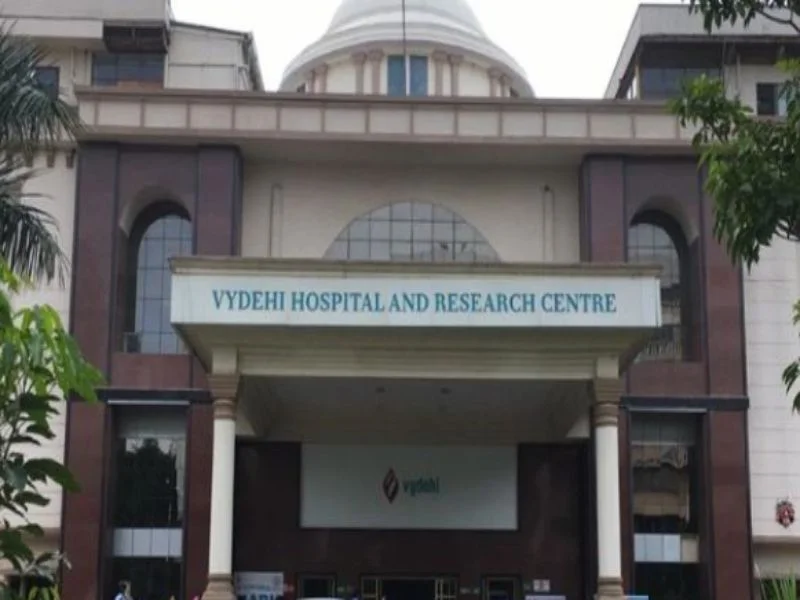
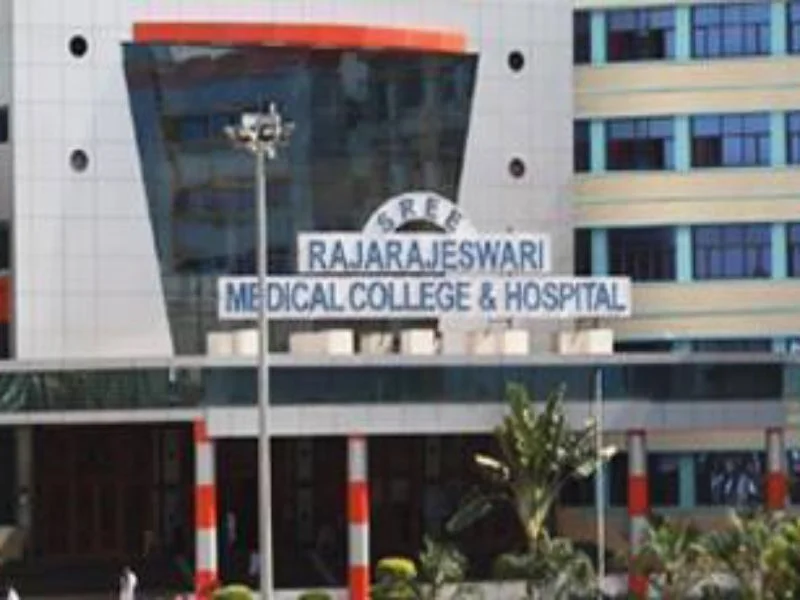
India has several reputed private medical colleges that offer excellent academic infrastructure, advanced hospital facilities, experienced faculty, strong clinical exposure, and quality medical education. Karnataka is considered one of the best states for pursuing MBBS in India because of its large number of top-ranked private medical colleges, modern healthcare institutions, and better clinical training opportunities.
| College Name | Location | Highlights |
|---|---|---|
|
Kasturba Medical College (KMC) |
Manipal |
One of India’s top private medical colleges with excellent global reputation and research facilities |
|
Kasturba Medical College (KMC) |
Mangalore |
Strong clinical exposure, modern hospital facilities, and high NIRF ranking |
|
M. S. Ramaiah Medical College |
Bangalore |
Popular for advanced infrastructure, experienced faculty, and strong patient flow |
|
St. John’s Medical College |
Bangalore |
Known for ethical medical education, academics, and hospital training |
|
JSS Medical College |
Mysore |
Excellent academics, research facilities, and modern teaching hospital |
|
Vydehi Institute of Medical Sciences |
Bangalore |
Modern campus with multispecialty hospital and practical clinical exposure |
|
Kempegowda Institute of Medical Sciences (KIMS) |
Bangalore |
Reputed medical college with quality education and strong academics |
|
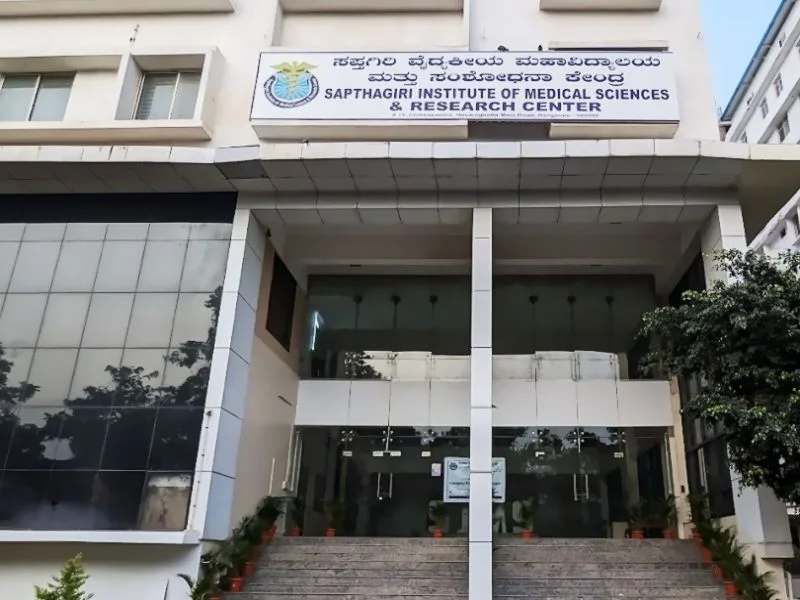
Sapthagiri Institute of Medical Sciences |
Bangalore |
Affordable private medical college with growing infrastructure |
|
RajaRajeshwari Medical College |
Bangalore |
Good hospital facilities and clinical exposure for MBBS students |
|
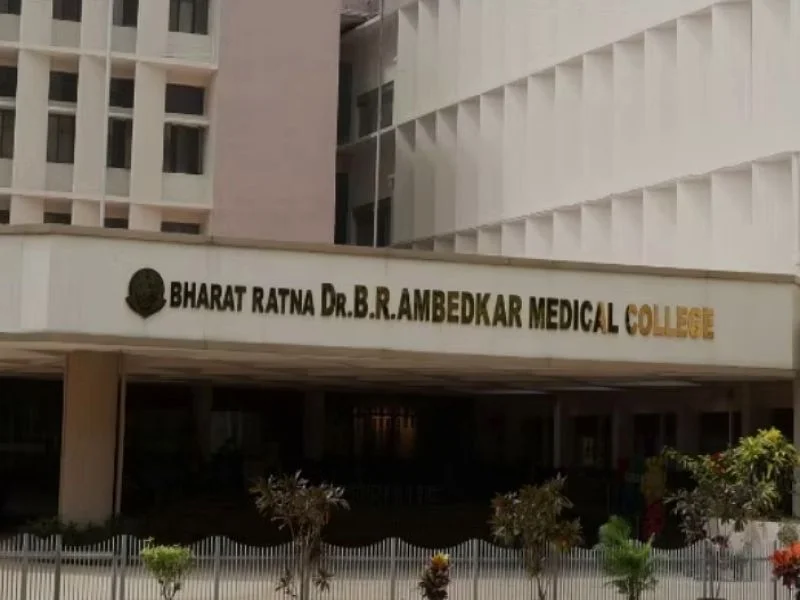
Dr. B.R. Ambedkar Medical College |
Bangalore |
Well-known private medical institution with experienced faculty |
|
KS Hegde Medical Academy |
Mangalore |
Strong academics with research and healthcare facilities |
Conclusion
Pursuing MBBS in India is an excellent choice for students who want quality medical education, advanced clinical exposure, and strong career opportunities in the healthcare sector. India is home to many reputed government and private medical colleges that provide modern infrastructure, experienced faculty, research opportunities, and practical hospital training. With the increasing demand for healthcare professionals, an MBBS degree from a recognized Indian medical college can open doors to successful careers in medicine, research, healthcare management, and higher medical studies.
Among all states, Karnataka has emerged as one of the top destinations for private medical education due to its large number of reputed medical colleges, excellent hospital facilities, transparent admission process, and strong academic environment. Colleges such as Kasturba Medical College, M. S. Ramaiah Medical College, St. John’s Medical College, and JSS Medical College are highly preferred by NEET-qualified students across the country.
Before taking admission, students should carefully evaluate factors such as college reputation, infrastructure, clinical exposure, fee structure, internship opportunities, faculty quality, and placement support. Proper planning and expert counseling can help students choose the best medical college according to their NEET score, budget, and career goals.
Do you need help from
Career65?
Our experts specialize in B.Tech, MBBS, and MBA/PGDM admissions. Fill out the form to receive accurate guidance, college options, and end-to-end admission assistance.
- +91 9986951630
- careerone65@gmail.com
- 4th floor Sai Sumukh 15 Cross Road Sahakar Nagar Bengaluru 560092
Frequently Asked Questions
The duration of the MBBS course in India is 5.5 years, which includes 4.5 years of academic study and 1 year of compulsory internship training.
Yes, qualifying NEET-UG is mandatory for admission to all government, private, deemed, and central medical colleges in India.
Students must complete 10+2 with Physics, Chemistry, Biology, and English as compulsory subjects along with the required minimum qualifying marks.
Candidates must be at least 17 years old on or before 31st December of the admission year.
Karnataka, Tamil Nadu, Maharashtra, Delhi, Rajasthan, and Uttar Pradesh are among the top states for medical education in India.
Some of the top private medical colleges in Karnataka include Kasturba Medical College, M. S. Ramaiah Medical College, St. John’s Medical College, JSS Medical College, and Vydehi Institute of Medical Sciences.